 01
Roof Leak Repair
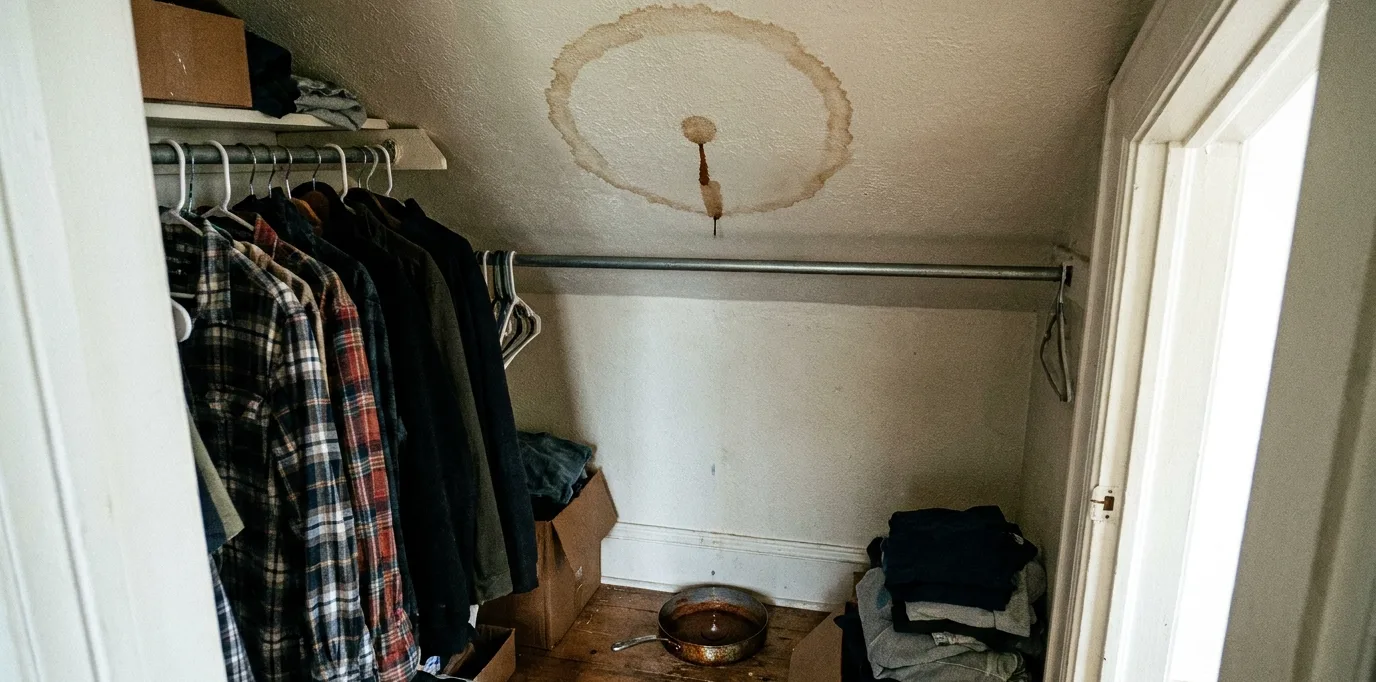
Technicians follow water stains to punctures or seam failures, remove saturated insulation if present, and reinstall underlayment plus new membrane to restore the slope drainage.

Roofing · the USA
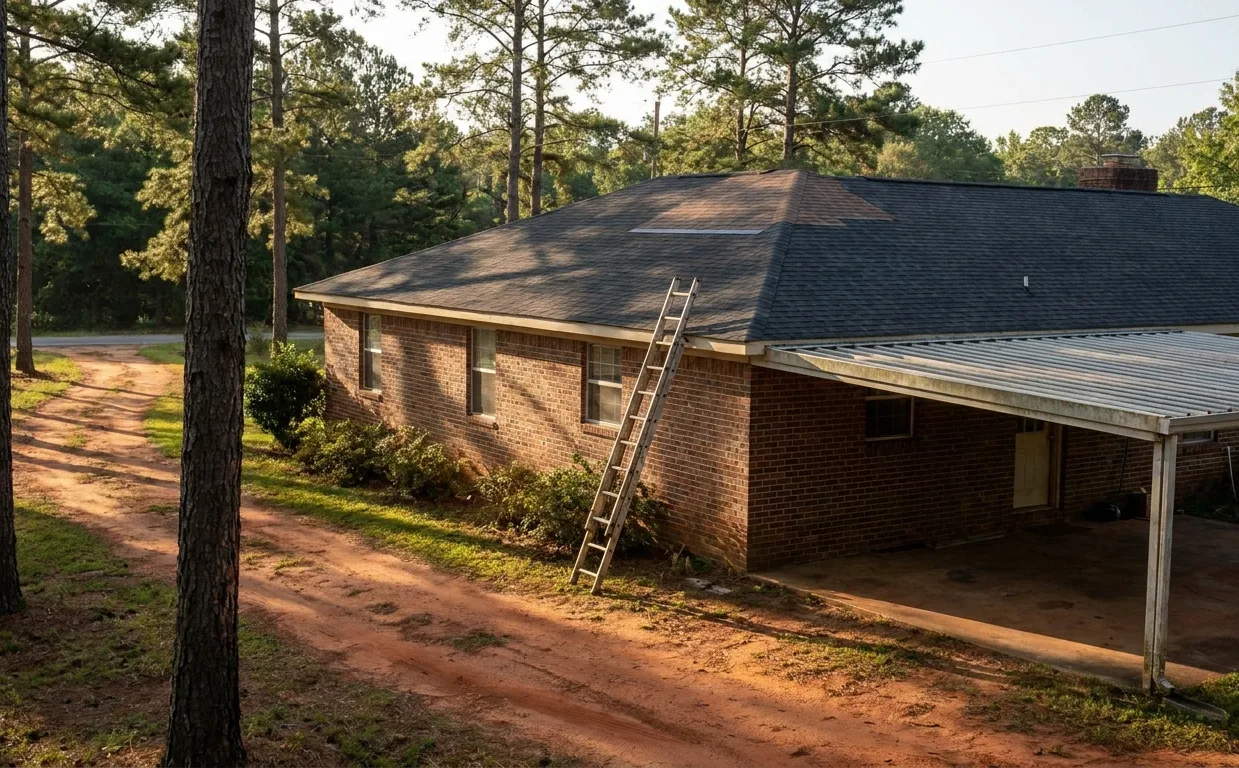
MDS Roof Doctors sends crews nationwide to inspect roof decks, underlayment, and flashings then perform targeted fixes that keep the structure sound.
Technicians lift shingles to examine felt and decking for rot before deciding whether a patch or larger section needs attention.
New flashing is tucked under existing shingles and sealed at overlaps so water follows the original drainage path.
Replacement shingles or panels are chosen to align with the remaining roof so expansion and color shifts stay consistent.
Each service addresses a distinct failure mode that technicians see on site. Crews trace the symptom to its source under the surface then restore the affected components without disturbing sound areas.
01Technicians follow water stains to punctures or seam failures, remove saturated insulation if present, and reinstall underlayment plus new membrane to restore the slope drainage.
 02
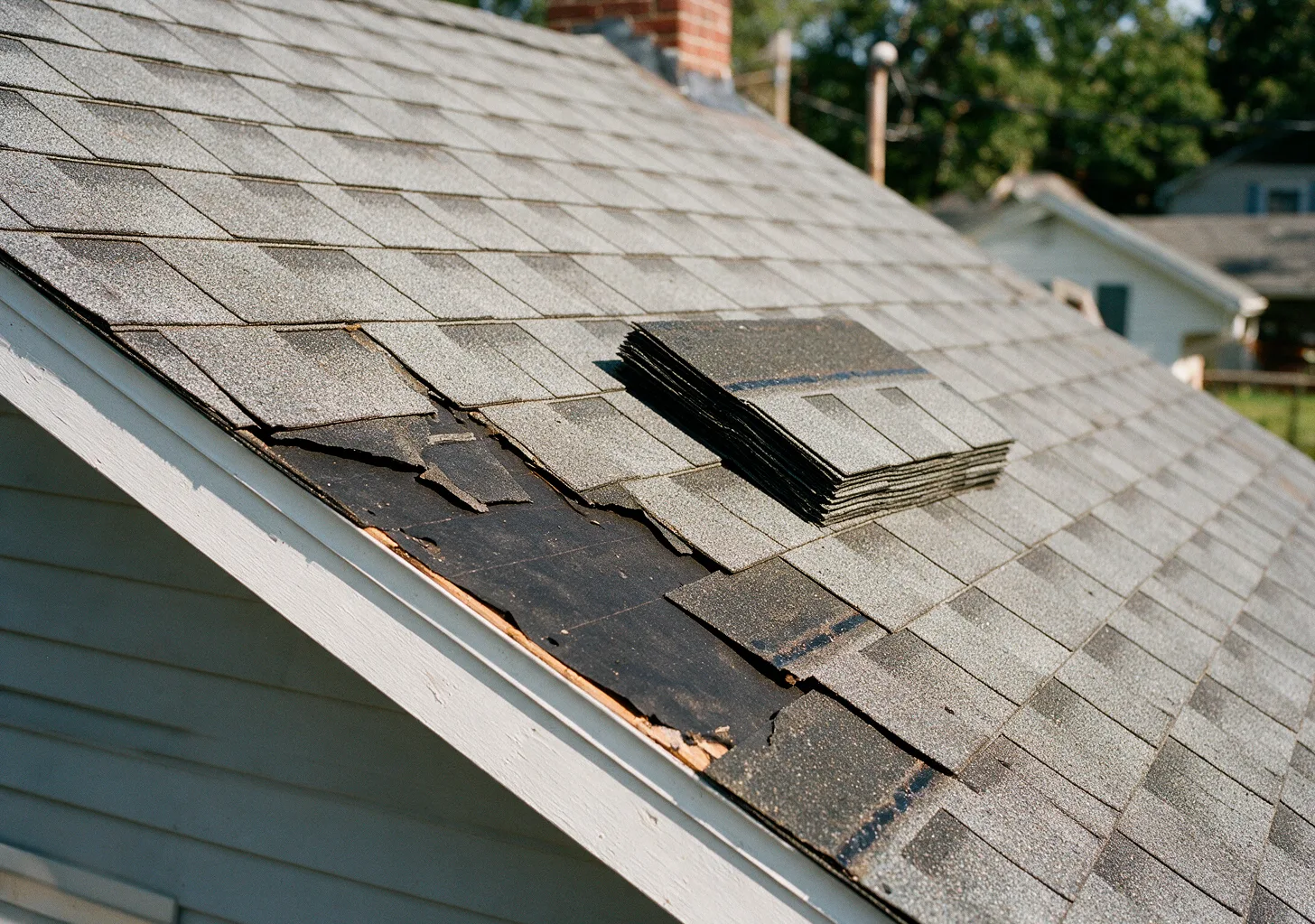
Missing or cracked tabs are replaced after the deck is checked for softness. Adhesive strips are applied at overlaps to prevent wind lift on the repaired course.
 03
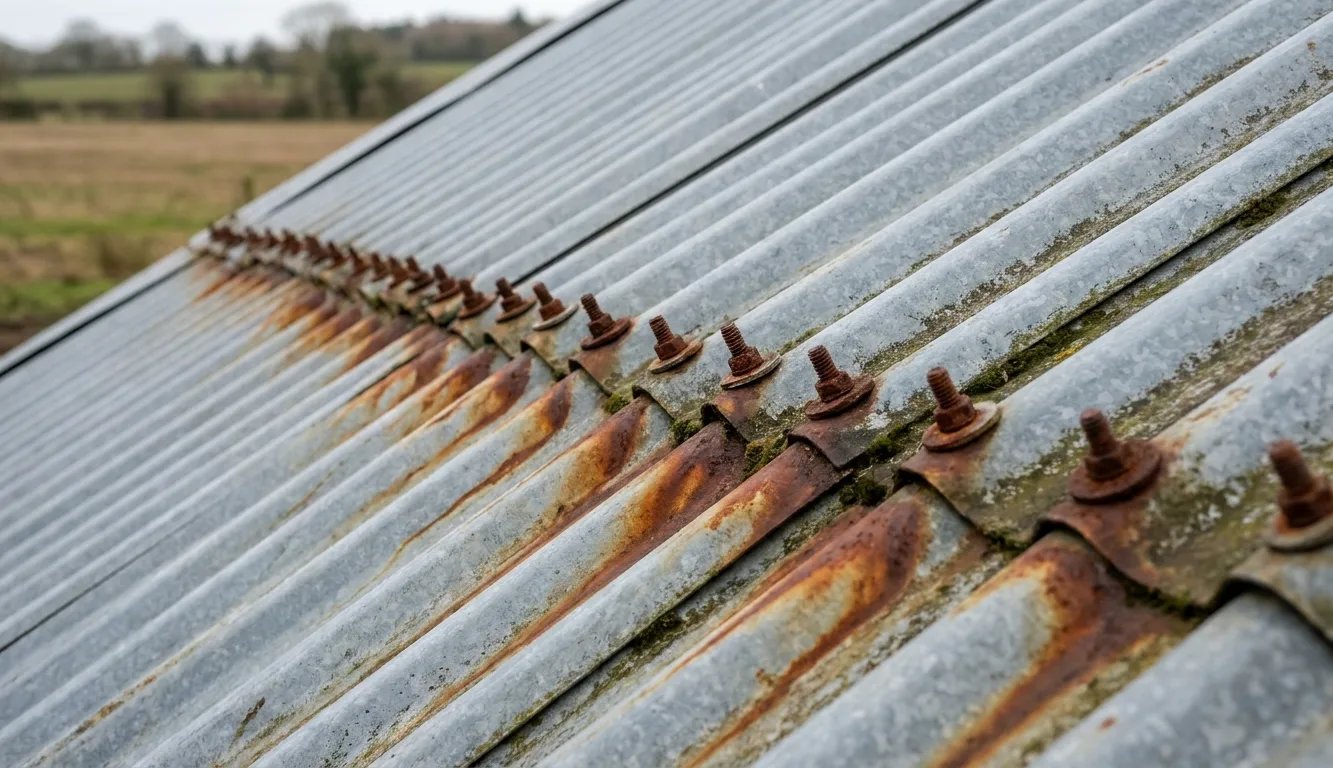
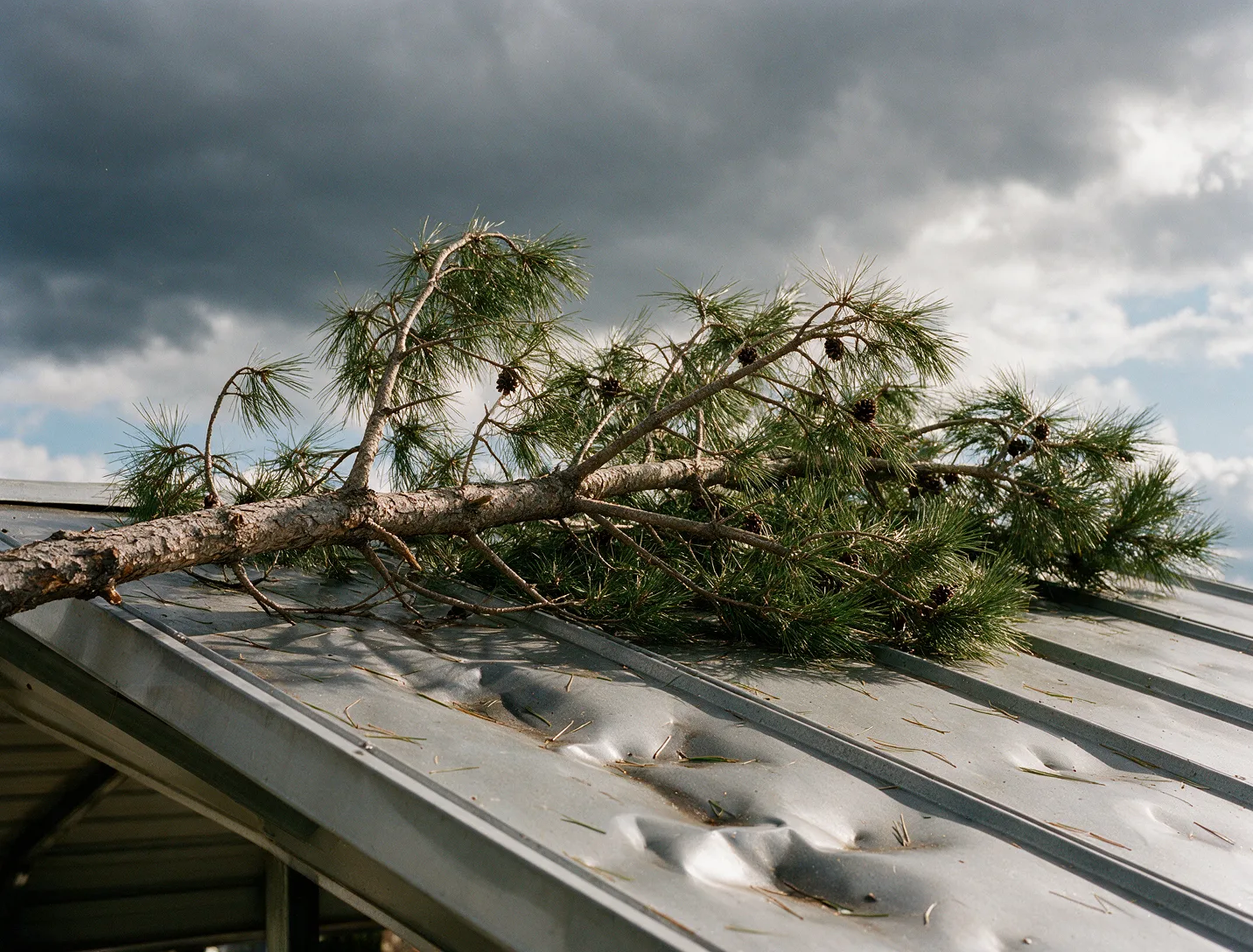
Dents and loose fasteners are located along seams and penetrations. New butyl tape and screws restore compression so thermal movement does not reopen the gap.
 04
Hail and wind marks are counted and mapped. Broken underlayment is cut out and replaced so the remaining roof continues to shed water at the designed pitch.
 05
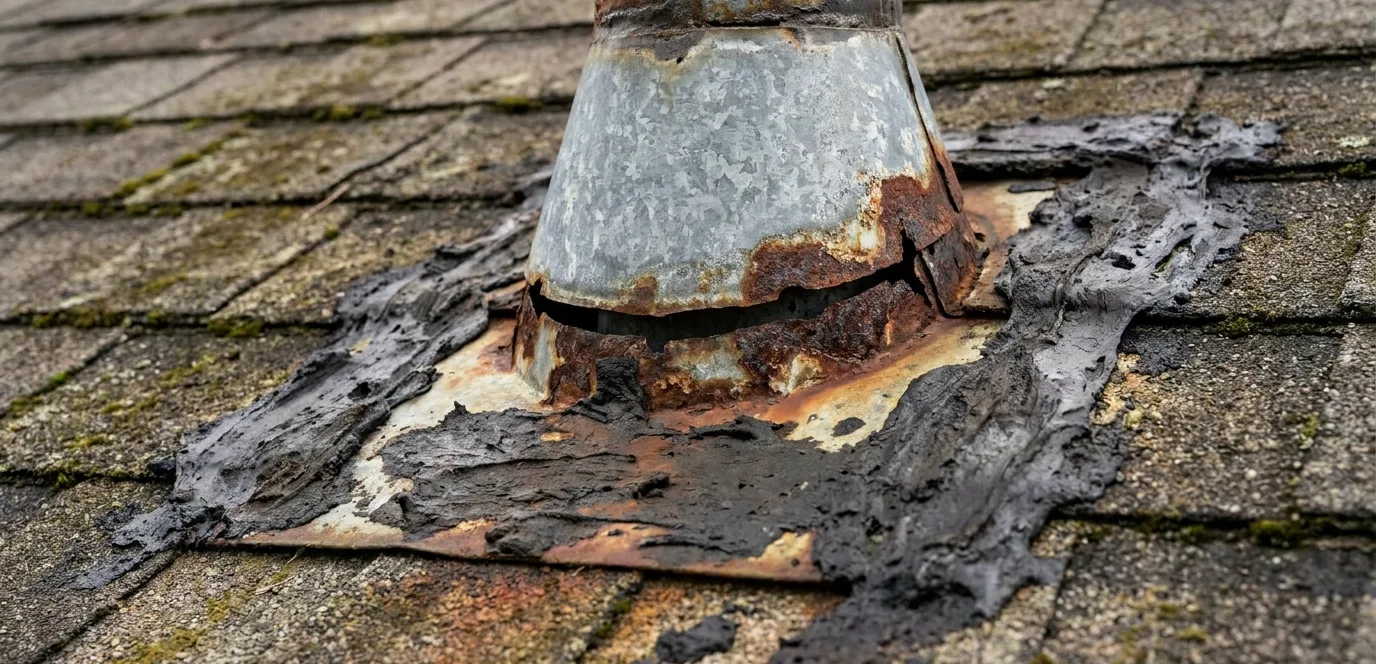
Valleys, chimneys, and vent boots are examined for rust or separation. Counterflashing is reset and new step flashing is woven into the shingle courses above.
 06
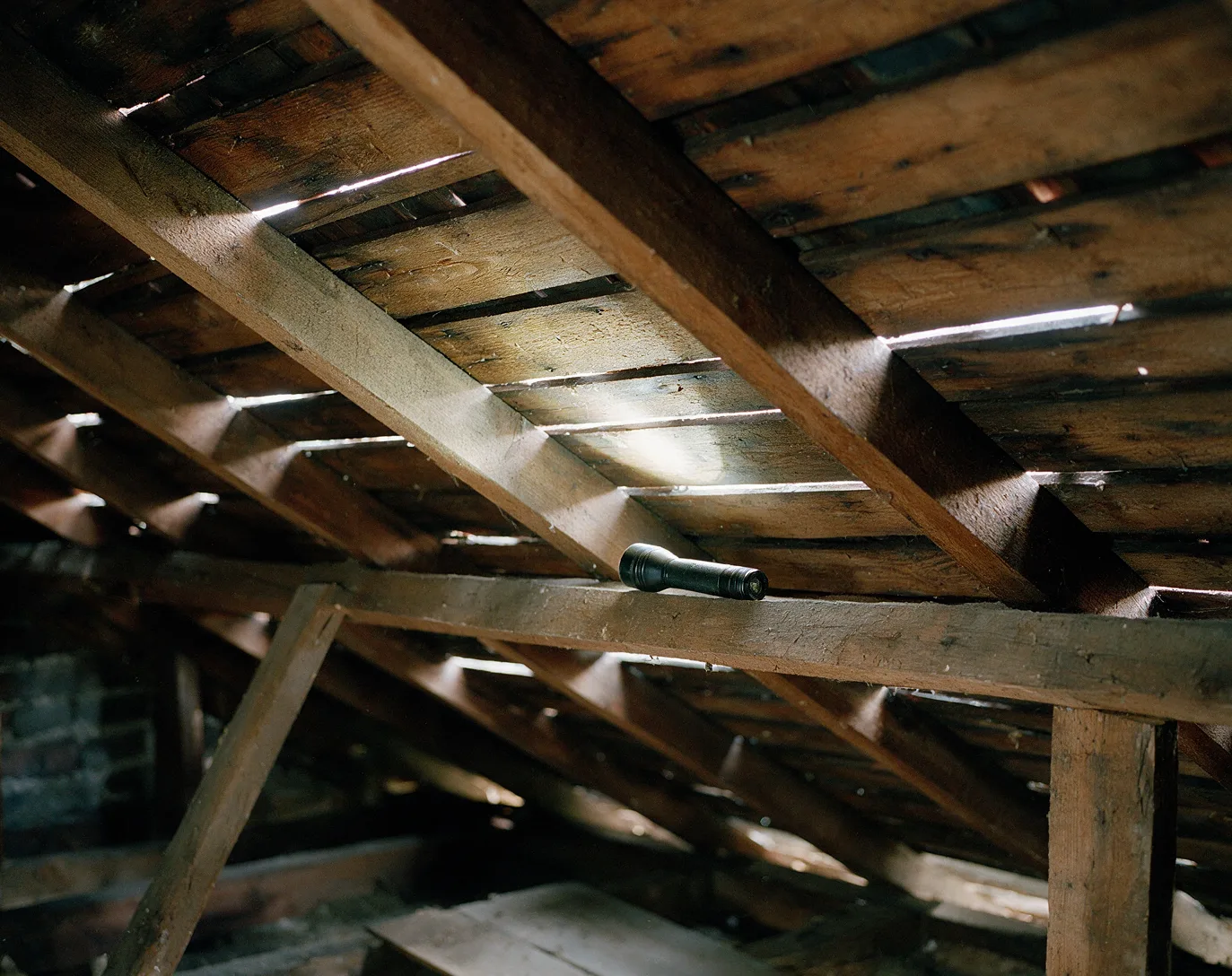
Crews walk the surface and attic to record granule loss, soft spots, and daylight at joints. Findings are marked on a diagram for the homeowner to review.
 07
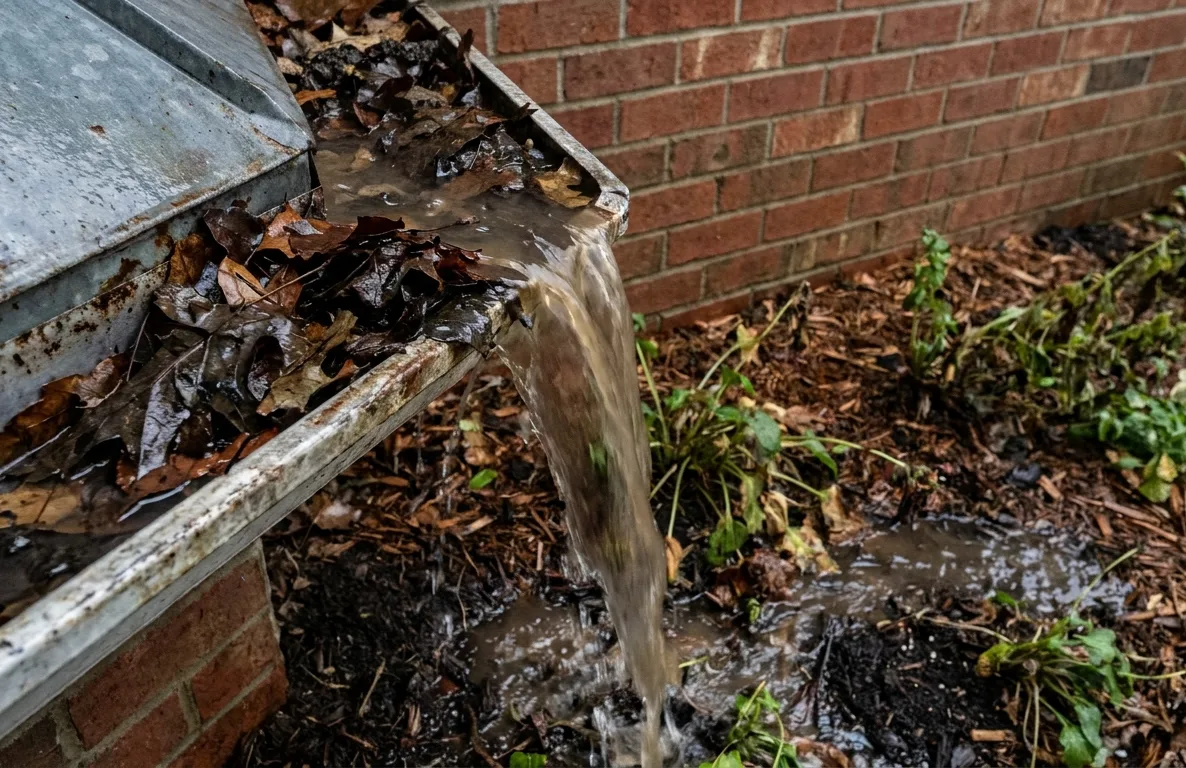
Hangers and seams are inspected for slope loss that allows overflow at the fascia. Damaged sections are cut out and new lengths are pitched to the downspout.
 08
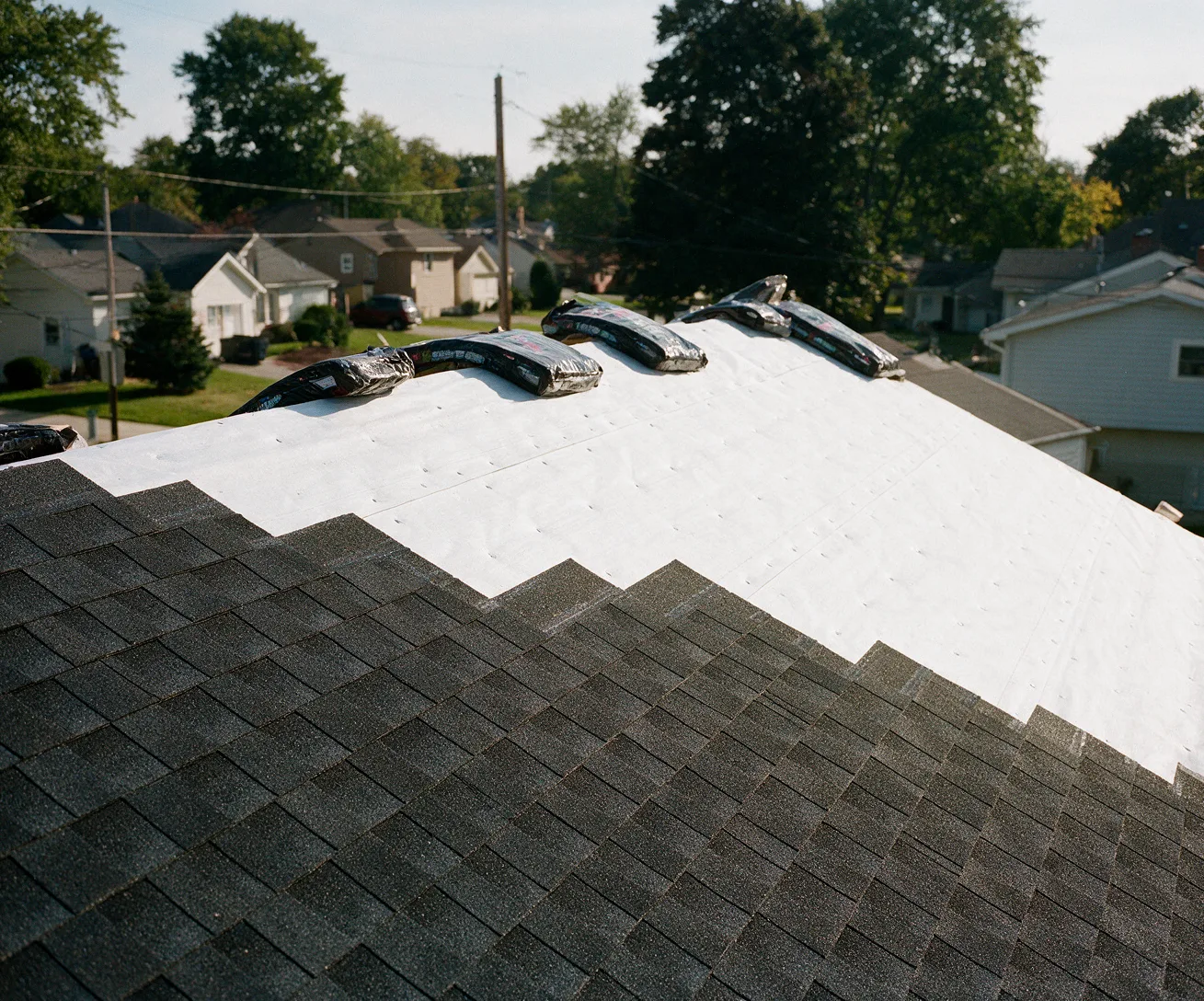
When multiple layers show widespread failure the entire assembly is removed down to the deck. New underlayment and shingles are installed to current manufacturer nailing schedules.
Water rings on ceilings or walls usually trace back to a failed seal or split shingle rather than a full roof failure. Early signs also include granules collecting in gutters and daylight visible from the attic at nail holes. These symptoms point to a localized entry that can be isolated and corrected before deck rot spreads.
Technicians measure the distance between the interior stain and the nearest ridge or eave to narrow the search area. They then lift the course above the suspected point to view the underlayment without removing more material than necessary.
Place a bucket under active drips and move furniture away from the spot. Avoid walking on the roof or applying sealant from the exterior until a technician arrives, because temporary patches can trap moisture and hide the true extent of damage.
Note the time the leak started and any recent weather events. This information helps the crew correlate wind direction with the most likely seam or flashing failure when they begin the diagnostic lift.
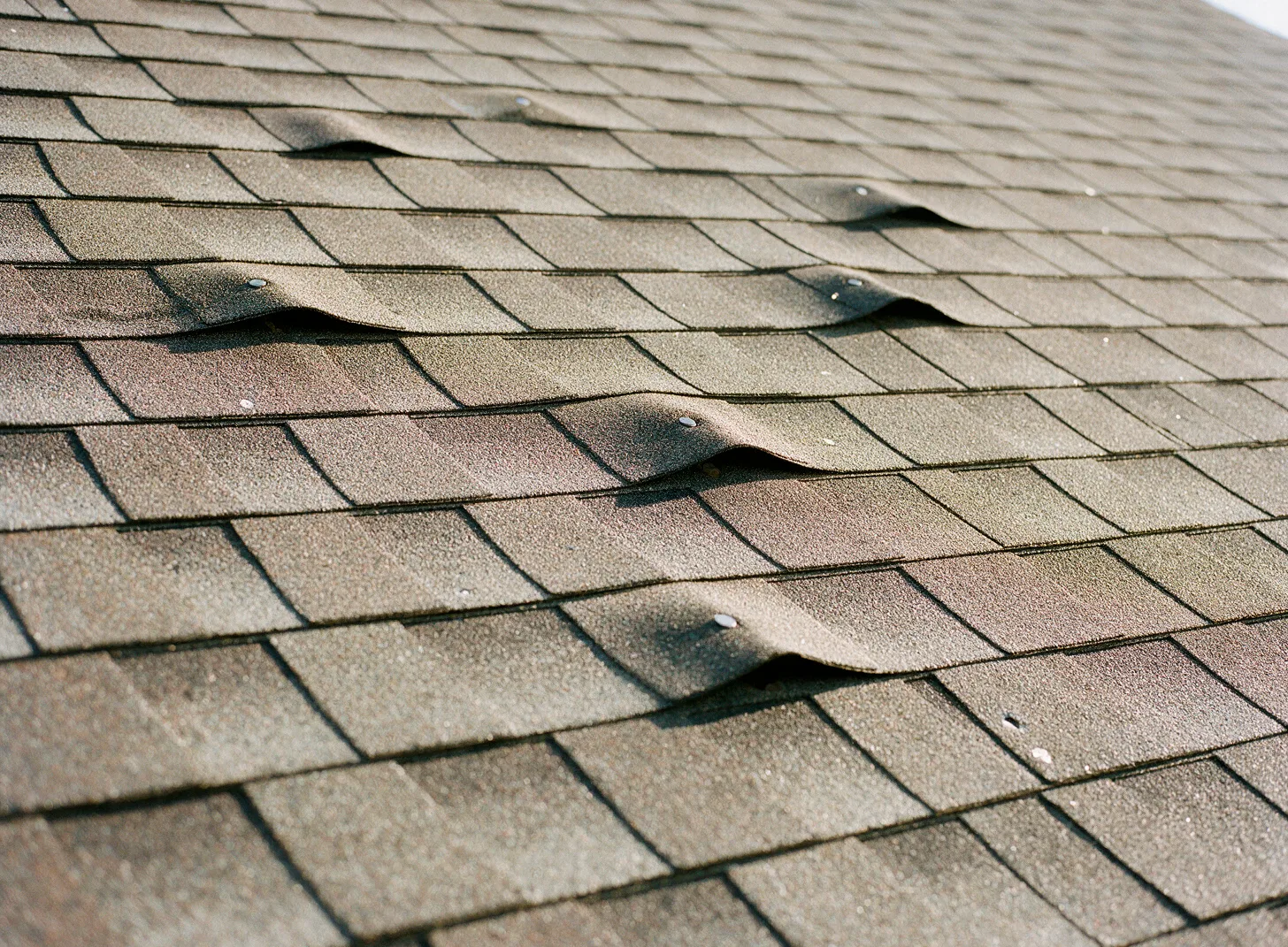
The sequence begins with a surface and attic review then moves to targeted opening, component replacement, and final water testing so the homeowner sees exactly what was corrected.
Technicians walk the roof and inspect from the attic to map soft spots, granule loss, and daylight at seams before any material is disturbed.
Only the shingles and underlayment above the identified failure are lifted so the surrounding roof remains intact and the repair blends with existing courses.
Damaged decking is cut out if needed, new felt is installed, and matching shingles or panels are woven back in with proper nailing and adhesive.
A hose test confirms the repair holds, then photographs are taken for the homeowner showing the layers that were opened and restored.
The crew photographs the exterior and attic conditions then marks the perimeter of any soft decking. They remove only the shingles and underlayment directly above the damaged area so the repair integrates with the surrounding courses without creating new steps in the surface.
After the deck is dried or replaced, self-adhered underlayment is rolled into the opening and extended past the cut lines. New shingles are woven in so the repair line remains invisible once the roof weathers.
A repair is chosen when the surrounding shingles still have remaining service life and the deck is sound beyond the immediate repair zone. Replacement becomes necessary when multiple leaks appear within a small area or when two or more layers already exist, because each added layer increases the chance of future movement.
Technicians count the number of compromised courses and check the condition of the ridge cap and starter strip. If more than thirty percent of the visible surface requires work the recommendation shifts to full replacement to avoid repeated mobilizations.
The number of layers that must be removed, the condition of the deck beneath the leak, and the type of material already on the roof all change the labor time required. Metal and tile repairs take longer than asphalt because each panel or tile must be handled individually to maintain the existing pattern.
Access to the repair area also matters. Steep pitches or limited ladder placement increase the time needed to stage materials safely. The extent of interior staining that must be isolated from the active leak can add steps to protect finishes before work begins on the exterior.
Older roofs often have skip sheathing or spaced boards that require additional underlayment support during a patch. Technicians add a layer of synthetic felt across the repair area to create a continuous plane before reinstalling the original shingle profile.
On rental properties the focus stays on documenting every step so the owner can verify the work matches the lease requirement for weather-tight condition. Only the affected section is disturbed so the unit can be returned to service once the repair is sealed.
Technicians start from the interior stain and work outward along the slope, lifting shingles to inspect underlayment seams and nail holes until the entry point is located. The attic inspection confirms the path of water travel.
When the surrounding shingles retain their flexibility and the deck remains solid beyond the wet area, a localized repair restores the seal without disturbing the rest of the surface.
Removed material is taken away when the work wraps up. The new shingles are chosen to match the existing color and thickness so the repair line is not noticeable after weathering.
No. The underlayment is extended past the repair zone and the shingles are reinstalled at the original slope so water continues to flow along the same path it followed before the work.
The adhesive reaches initial set within an hour. Full cure occurs after the next warm day, but the roof can be walked carefully once the crew finishes and removes the staging.
Yes. The attic inspection reveals whether insulation is wet or whether the water has traveled farther than the visible ceiling stain, allowing the crew to address all affected areas in one visit.
Contact MDS Roof Doctors to have technicians inspect the roof and explain what each symptom indicates before any work begins.