
Roof Replacement in the USA
MDS Roof Doctors starts every Roof Replacement by reading the roof like a chart of past weather and age. Technicians first map how many layers sit on the deck, how much sunlight has bleached the granules, and where water has already reached the plywood. They note sags between rafters and record the condition of ridge vents so the new assembly can breathe properly.
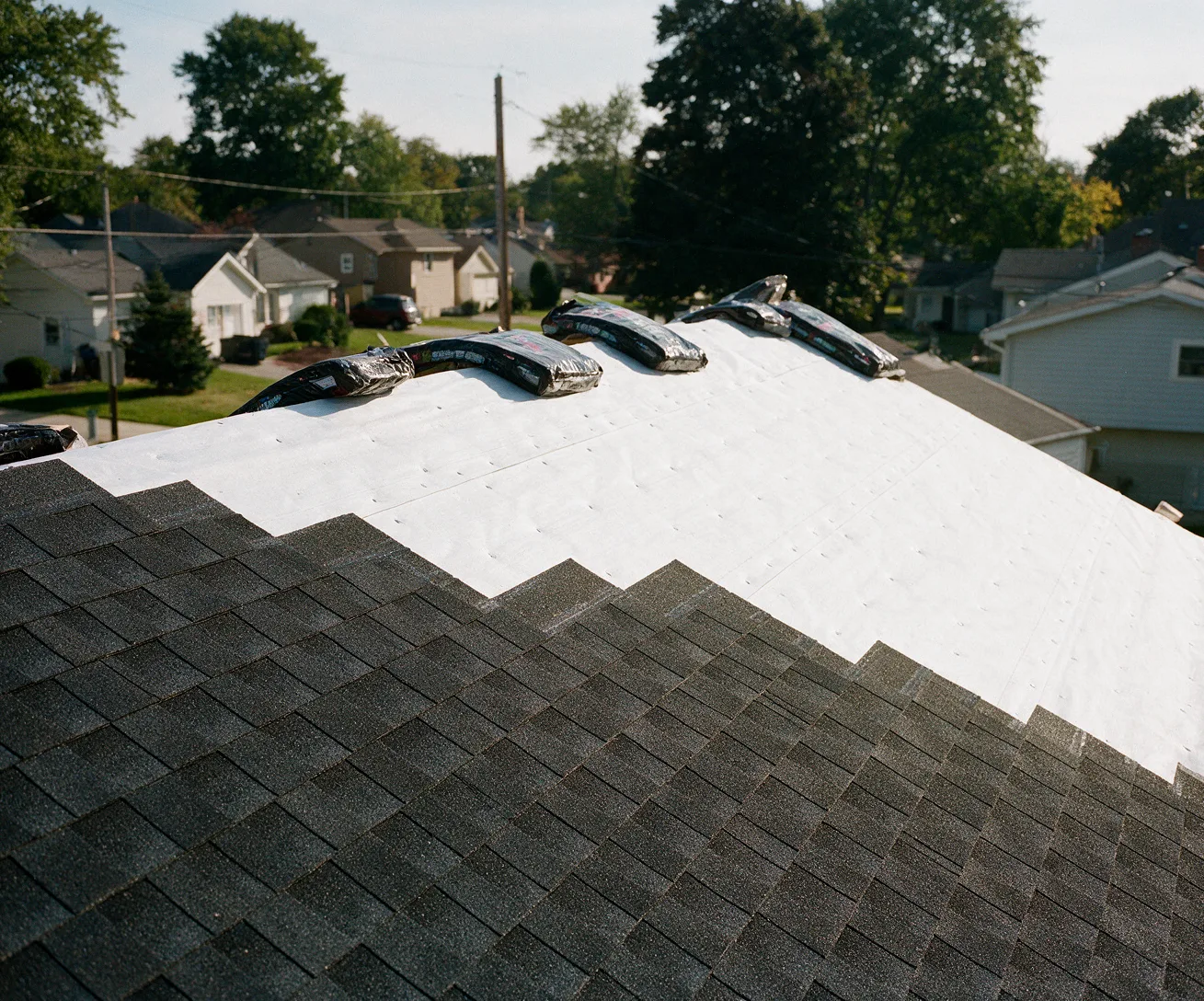
Once the surface layers are removed the real condition appears. Rot along the eaves, rusted flashing valleys, and nail pops from deck movement all become visible. Our crews decide whether a full tear-off is required or whether the existing base can stay, then they choose underlayment weight and shingle thickness to match the roof slope and local wind loads. MDS Roof Doctors evaluates how roof replacement connects to deck problems before suggesting roof repair options across the USA.
Warning Signs That Point to Roof Replacement
- Three or more active leaks appear inside the attic during one season
- Shingles curl at the edges and lose most of their surface granules
- Rafters sag visibly between supports when viewed from inside
- Daylight shows through deck boards in several places at once
- Multiple layers of old roofing already exceed local weight limits
What Technicians Measure Before Any Tear-Off
Our technicians pull a few sample shingles and check the number of layers already present. They measure rafter spacing with a tape and probe the deck with an awl to find soft spots caused by repeated wetting. Ventilation openings are counted and sized so the replacement can maintain proper airflow from soffit to ridge.
Flashing at every penetration is photographed and sketched. Valleys receive special attention because they carry the most water. Any pipe boot older than the last roof layer is marked for replacement with new lead or rubber sleeves that will last the full service life of the new covering.
Deck Repairs That Must Happen During Replacement
When plywood shows water stains or delamination the damaged sections are cut out to the nearest rafter centers. New CDX plywood of matching thickness is nailed with ring-shank fasteners and the seams are covered with 30-pound felt before underlayment goes down. This step prevents new shingles from telegraphing soft spots.
Rafters that have rotted at the plate line are sistered with pressure-treated lumber. The new sister board runs past the damage on both ends and is bolted through so the load path remains continuous. Only after these structural fixes are complete does the crew lay the final underlayment and begin shingling.
Material Choices Matched to the Existing Slope
For slopes between four and twelve in twelve we install three-tab or architectural shingles over synthetic underlayment. The heavier architectural style adds shadow lines that help water shed faster at the laps. Starter strips are used at every eave and rake so the first course locks down securely against wind.
Where the roof is low-slope or has many penetrations we switch to standing-seam metal panels. The panels are rolled on site to reduce seams and are attached with concealed clips that allow thermal movement. Ridge caps and hip caps receive matching metal closures so no exposed fasteners remain above the weather surface.
What Homeowners Can Do While Waiting for the Crew
Move stored items away from attic access points so inspectors can walk the deck safely. Note the dates and locations of any new ceiling stains so the crew knows which sections need extra attention after tear-off. Keep gutters clear of debris so water continues to flow away from the foundation until the new roof is finished.
Photograph the existing roof from the ground on a clear day. These pictures help the crew plan material delivery and dumpster placement without blocking driveways. Do not climb onto the roof yourself; loose shingles and hidden soft spots can give way without warning.
Roof Replacement questions
How long does a typical Roof Replacement take?
A straightforward tear-off and replacement on a single-story house usually finishes in two to three working days once the crew begins. Additional layers, deck repairs, or complex flashing details can extend the schedule by one day. Weather and material delivery remain the main variables that affect the calendar.
Can the old shingles stay in place under the new ones?
MDS Roof Doctors removes the old layers whenever two or more coverings already exist or when the deck needs inspection. Leaving shingles adds weight, hides rot, and shortens the life of the new roof. A clean deck allows proper nailing and better ventilation detailing.
What happens to the old roofing materials?
All removed shingles, underlayment, and flashing are loaded into a roll-off container as tear-off proceeds. The container is hauled to a recycling facility that separates asphalt from metal and wood. Homeowners do not need to arrange separate disposal.
Will the new roof change the way the attic ventilates?
Technicians calculate the net free vent area before starting and add or enlarge soffit and ridge vents as needed. Proper airflow keeps the new shingles cooler and reduces ice-dam risk at the eaves. Any existing power vents or turbines are evaluated for reuse or replacement during the same visit.
Schedule Roof Replacement
Call MDS Roof Doctors to have technicians measure deck condition and ventilation before any material is ordered.