
Shingle Repair in the USA
MDS Roof Doctors approaches every shingle roof the way a mechanic listens to an engine. Our technicians first note visible surface changes such as lifted corners or dark streaks where granules have washed away. These surface symptoms often point to movement in the deck or moisture trapped beneath the underlayment rather than simple age.
Once the surface clues are recorded the crew checks ventilation paths and nail patterns from the attic side. Proper airflow keeps decking stable and prevents the repeated expansion that loosens shingle tabs. Recording these hidden conditions determines whether isolated tab replacement will hold or whether a larger section must be lifted to restore the original seal. After shingle repair shows damage the crew at MDS Roof Doctors checks further for roof repair needs across the USA.
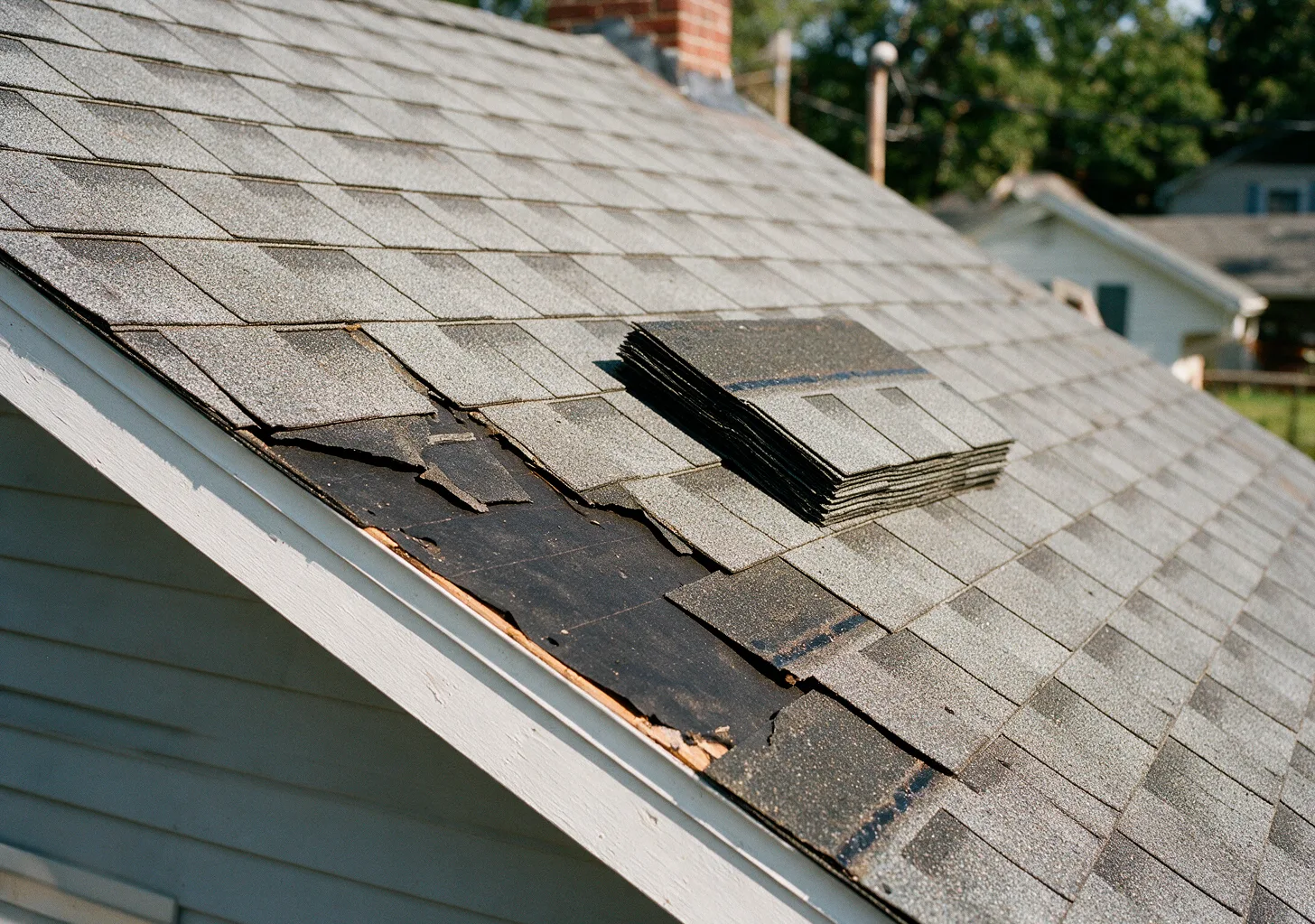
Observable Shingle Conditions
- Tabs missing along eaves after strong wind events.
- Dark streaks showing heavy granule shedding on slopes.
- Edges curling upward near ridge vents or valleys.
- Nail heads protruding through shingle surfaces.
- Water stains on interior ceiling drywall below seams.
Conditions Beneath the Shingles
Wind driven rain can work under lifted tabs and reach the felt or synthetic underlayment. Once moisture reaches the deck it softens the wood fibers and allows nails to back out. Our technicians measure deck moisture with a meter at multiple points to decide if localized deck replacement must accompany the shingle work.
Poor attic ventilation creates temperature swings that expand and contract the deck. This movement works the nails loose and lets shingles slide downhill over time. Checking ridge and soffit openings reveals whether airflow corrections are needed before new shingles are installed.
Inspection Points and Measurements
Technicians begin at the ridge and work downslope noting every row with lifted or cracked tabs. They count the number of exposed nail heads and record the distance between fasteners. These counts show whether the original nailing pattern was adequate or if additional fasteners are required during repair.
Flashing around pipes and vents is checked for sealant failure and rust. The crew also measures the remaining granule coverage on sample shingles using a small brush test. Low granule retention indicates the shingle mat is nearing the end of its protective life and may require replacement beyond the obvious damaged area.
Repair Choices and Component Selection
Single tab replacement uses a new shingle cut to match the existing course width and color. The old tab is removed, the nail holes are sealed, and the new piece is slid into place with fresh roofing cement under the leading edge. This method preserves the surrounding roof when damage is limited to a few rows.
When several courses are affected a larger section is removed down to the deck. New underlayment is installed over the deck seam, then new shingles are woven into the existing courses using manufacturer offset patterns. Matching the shingle manufacturer and profile keeps the repair appearance uniform across the slope.
Actions Before the Crew Arrives
Homeowners can safely walk the interior and note any ceiling discoloration or musty odor near exterior walls. Placing a bucket under active drips prevents further interior damage. These observations help the crew locate the entry point quickly once they reach the attic.
Exterior checks are limited to ground level. Binoculars allow a view of missing tabs or dark streaks without climbing. Clearing gutters of leaves and debris lets water drain away from the eaves so additional saturation does not occur before the repair team begins work.
Shingle Repair questions
How does MDS Roof Doctors decide between single tab and section replacement?
Technicians count damaged tabs and measure granule loss across the affected slope. When damage stays under ten percent of the slope area and the deck remains sound they replace individual tabs. Larger areas or soft decking require lifting several courses to restore proper fastening and underlayment.
What underlayment is used during a shingle repair?
Synthetic underlayment is installed over any exposed deck seams because it resists tearing better than felt during wind events. The new layer is lapped six inches onto the existing underlayment and sealed at the edges so water cannot travel under the repair.
Can homeowners apply sealant themselves before technicians arrive?
Roof cement can be dabbed on lifted tabs from a ladder on low slope sections only. Working from the ground avoids risk and still slows water entry until the crew arrives. Never walk on wet shingles or attempt repairs on steep slopes.
How long does a typical shingle repair last once completed?
When the deck is dry and ventilation is adequate the repair matches the remaining life of the surrounding shingles. The crew uses the same manufacturer and weight of shingle so the patched area weathers at the same rate as the original roof surface.
Arrange Shingle Repair
Contact MDS Roof Doctors to have technicians examine the roof and outline needed shingle work.