
Metal Roof Repair in the USA
Metal roofs develop leaks when protective coatings wear away and allow moisture to reach the steel or aluminum underneath. Our technicians start by walking the surface to locate areas where water has pooled or where seams have opened from thermal movement. They measure panel thickness at multiple points and check fastener torque to determine whether the metal still holds its original strength.
Once the source is identified the repair focuses on stopping water entry without disturbing sound sections. Technicians clean oxidized spots, replace damaged fasteners with sealed ones rated for the same gauge metal, and apply compatible sealants that flex with temperature swings. This approach keeps the roof functioning as a single weather-tight system. MDS Roof Doctors locates the entry point created by metal roof repair and determines if roof repair extends across the USA.
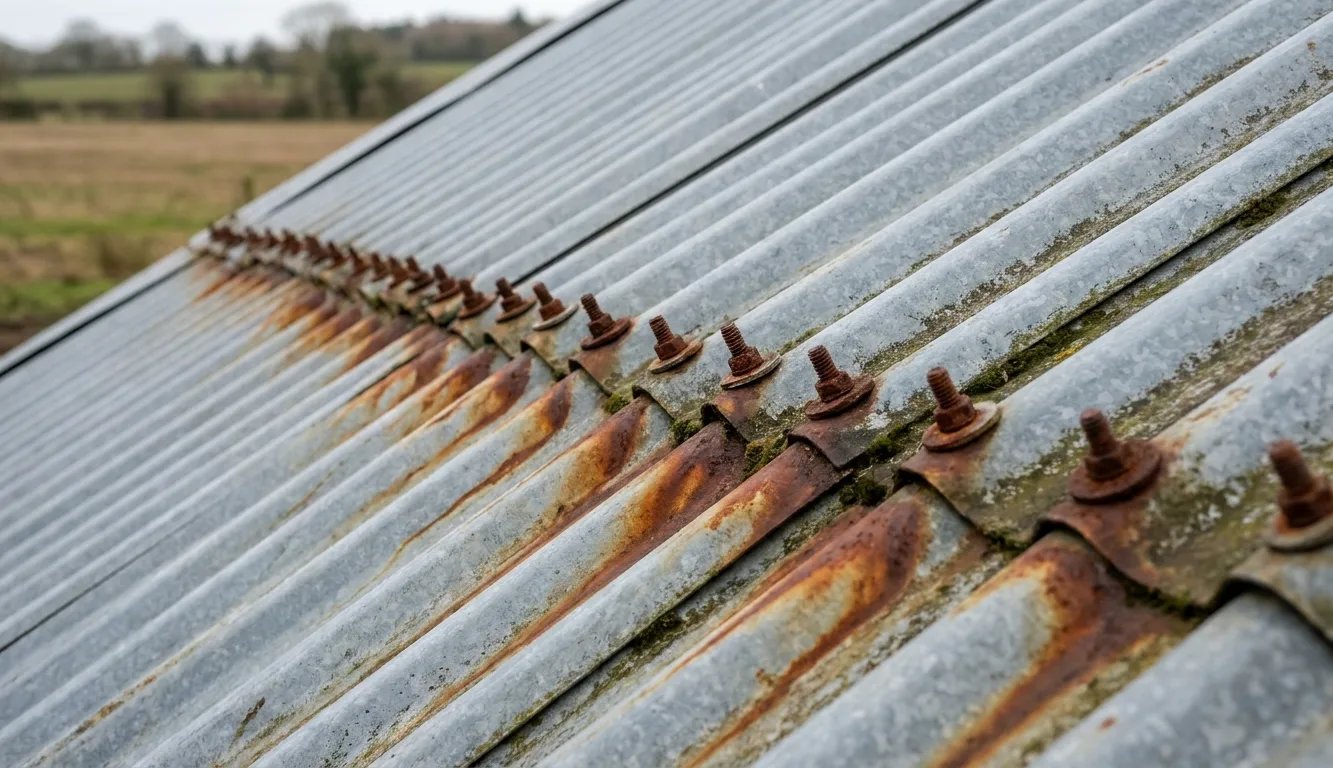
Early Indicators on Metal Panels
- Rust streaks running down from screw heads or seams
- Dents that hold water after rain stops falling
- Visible gaps where panels overlap or meet flashing
- Popping or creaking sounds during temperature changes
- Interior ceiling spots directly below ridge or valley lines
Common Causes Behind Metal Roof Leaks
Fasteners back out when the rubber washer hardens and loses compression, allowing wind-driven rain to travel along the shank into the deck. Thermal expansion then widens the hole over successive seasons. Our technicians measure remaining thread engagement and compare it to the original installation depth to decide if new fasteners or added washers will restore the seal.
Coating failure begins at edges or scratches where the primer is exposed. Once moisture reaches the metal, corrosion spreads underneath the paint film and lifts it in bubbles. Technicians scrape suspect areas to bare metal and check for pitting depth before applying a rust converter and a new topcoat matched to the existing finish.
Inspection Steps Our Technicians Follow
Technicians begin at the lowest edge and work upward, noting every panel that shows oil canning or waviness. They use a magnetic gauge to confirm metal thickness and record any spots where the reading drops below the manufacturer minimum. They also probe under ridge caps and around penetrations to feel for soft decking caused by hidden moisture.
Next they examine every seam and transition with a bright light held at a low angle. This reveals lifted butyl tape or dried caulk that no longer bridges the joint. Measurements of gap width and panel overlap are recorded so the repair plan restores the original water-shedding geometry rather than simply covering the symptom.
Repair Choices Matched to Metal Type
For exposed-fastener panels the first step is often replacing every fastener in a suspect row with larger-head, rubber-sealed screws driven to the correct torque. Where panels have corroded through, technicians cut out the section and install a new piece of matching profile, overlapping by at least one full rib and sealing the cut edges with butyl tape.
Standing-seam roofs require different handling. Technicians check clip attachment and slide the seam apart far enough to inspect the underlying felt or synthetic underlayment. If the seam has opened from wind uplift they crimp it closed again or install a new mechanical seam cap that restores the original lock without soldering.
Materials and Parts Used on Site
Replacement panels are ordered in the same gauge and finish as the original roof so expansion rates stay consistent. Fasteners are chosen with the same thread profile and a stainless or coated shank to prevent galvanic reaction. All sealants are polyurethane or silicone formulas rated for metal-to-metal contact and tested for UV resistance.
Homeowners can safely remove loose debris and trim branches that touch the roof before technicians arrive. They should also note the date and duration of any interior water stains so the crew can correlate the timing with recent weather events and focus the inspection on the most likely entry points.
Metal Roof Repair questions
How do you locate a leak on a metal roof without removing panels?
Technicians use a systematic moisture scan combined with visual tracing of water stains on the underside. They measure temperature differences across seams during daylight and confirm active entry points with controlled water testing from the exterior while watching the interior deck.
Can a small rust spot be fixed without replacing the whole panel?
Yes. After the area is cleaned to bare metal and treated with a rust converter, technicians apply a zinc-rich primer followed by a color-matched topcoat. The patch is then sealed at all edges with a flexible butyl tape that moves with the panel during temperature cycles.
What causes fasteners to loosen on metal roofs over time?
Repeated expansion and contraction of the metal works the screw threads against the deck. The rubber washer hardens from UV exposure and loses its ability to maintain compression. Technicians replace these with new sealed fasteners of the correct length and drive them to manufacturer torque specs.
When does a metal roof need full replacement instead of repair?
Replacement becomes necessary when more than thirty percent of the panels show through-pitting or when the deck itself has rotted beneath multiple seams. Technicians document the extent of damage with photos and thickness readings so the decision rests on measurable conditions rather than appearance alone.
Arrange Metal Roof Repair
Contact MDS Roof Doctors to schedule a diagnostic visit for your metal roof across the USA.