
Roof Leak Repair in the USA
MDS Roof Doctors technicians approach every roof like a patient. They start at the exterior surface and work inward to find where water first enters. Leaks rarely announce themselves at the obvious spot on the ceiling, so the crew checks flashing around chimneys, vents, and skylights first because these junctions fail when sealant shrinks or metal corrodes.
Once the entry point is isolated, the technicians measure the affected decking and insulation for moisture. They lift only the shingles needed to inspect the underlayment and fasteners. This targeted approach keeps the repair limited to the damaged area rather than opening the entire slope. Technicians from MDS Roof Doctors trace roof leak repair back to its source under shingles before full roof repair across USA.
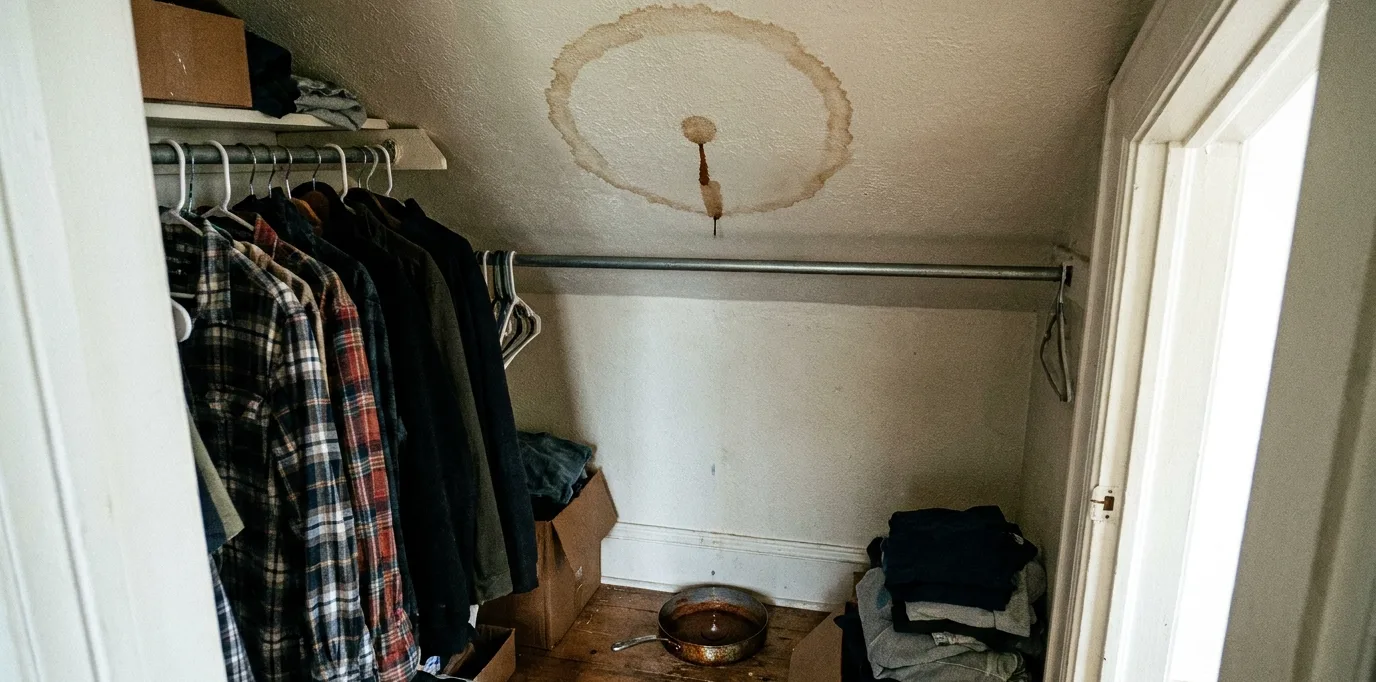
Early indicators of active leaks
- Dark streaks running down interior walls near roof edges.
- Soft or discolored ceiling drywall directly below a valley.
- Missing or cracked shingles along ridge lines after wind.
- Rust stains on flashing around plumbing vents and pipes.
- Water marks on attic insulation near eaves and dormers.
Tracing the water path
Our technicians begin at the highest point of suspected intrusion and follow gravity downward. They lift shingles in a controlled pattern to examine the felt or synthetic underlayment for tears. Nail holes that have enlarged from thermal movement often allow water to travel along the decking before it appears inside the home.
They also check step flashing where roof planes meet walls. When flashing is installed too low or nails miss the rafter, water can run behind the siding. The crew records each defect on a diagram so the homeowner sees exactly which components require attention.
Repair options and materials
For small shingle damage, technicians replace individual three-tab or architectural shingles and reseal the surrounding fasteners with compatible asphalt cement. When the leak originates at a vent boot, they cut out the old rubber collar and install a new one with proper overlap onto the existing shingles.
Larger sections of compromised underlayment receive new ice-and-water shield or felt paper before new shingles are installed. All replacement fasteners are ring-shank nails driven to the correct depth so the head sits flush without cutting the shingle surface.
What the homeowner can check first
Before the crew arrives, the homeowner should note the exact rooms where stains appear and photograph the ceiling marks. They can also walk the interior attic with a flashlight during daylight to look for pinpoints of light coming through the decking, but they should stay on the rafters and avoid stepping on insulation.
If gutters are accessible from the ground, clearing obvious debris from the downspout openings can prevent overflow that forces water under the edge flashing. These steps give the technicians clearer starting points without requiring the homeowner to climb onto the roof.
Preventing recurrence after repair
Once the active leak is stopped, MDS Roof Doctors technicians examine the slope for recurring weak points such as unsealed nail heads or misaligned shingles at the ridge cap. They recommend replacing any remaining original boots that show cracking before another storm drives water through them.
The crew also verifies that attic ventilation remains balanced so heat does not accelerate sealant aging around future penetrations. This diagnostic step reduces the chance that the same valley or plumbing stack will require attention again within a few seasons.
Roof Leak Repair questions
How do you find a leak that does not show on the ceiling yet?
Technicians lift shingles in a grid pattern starting above the suspected area and check the underlayment for dampness or staining. They also inspect the attic decking for dark spots that indicate water has already reached the wood even if it has not dripped through yet.
Can a leak be fixed from inside the attic without touching the shingles?
No. Water enters from the weather side, so the repair must restore the exterior barrier. Interior caulking only masks the symptom and allows moisture to remain trapped between shingles and decking, leading to rot that will eventually require deck replacement.
What materials are used to replace damaged flashing?
Technicians install new preformed step flashing or custom-bent counter flashing made from the same gauge metal as the original. They bed the new pieces in roof cement and weave them with the existing shingles so water cannot travel behind the joint.
Will the repair blend with the rest of the roof?
Replacement shingles are chosen to match the existing color and profile as closely as possible. Over time the new material will weather to the same tone, but the crew aligns the courses so the patched area follows the same line as the surrounding field.
Schedule Roof Leak Repair
Contact MDS Roof Doctors to have technicians trace and correct the source of roof leaks across the USA.